



 In This Article
BMW’s B38 engine not often will get the highlight, however it has quietly grow to be one of the crucial vital powerplants within the firm’s fashionable lineup. As a turbocharged 1.5-liter three-cylinder, the B38 sits on the base of BMW’s modular engine household, sharing core structure and design philosophy with the B48 four-cylinder and B58 straight-six.
It’s an engine constructed for effectivity first, however one which has confirmed extra succesful — and extra sturdy — than many anticipated. From compact hatchbacks and sedans to crossovers and even the BMW i8, the B38 has been used extensively sufficient that its real-world strengths and weaknesses at the moment are properly understood.
Which Vehicles Use the BMW B38?
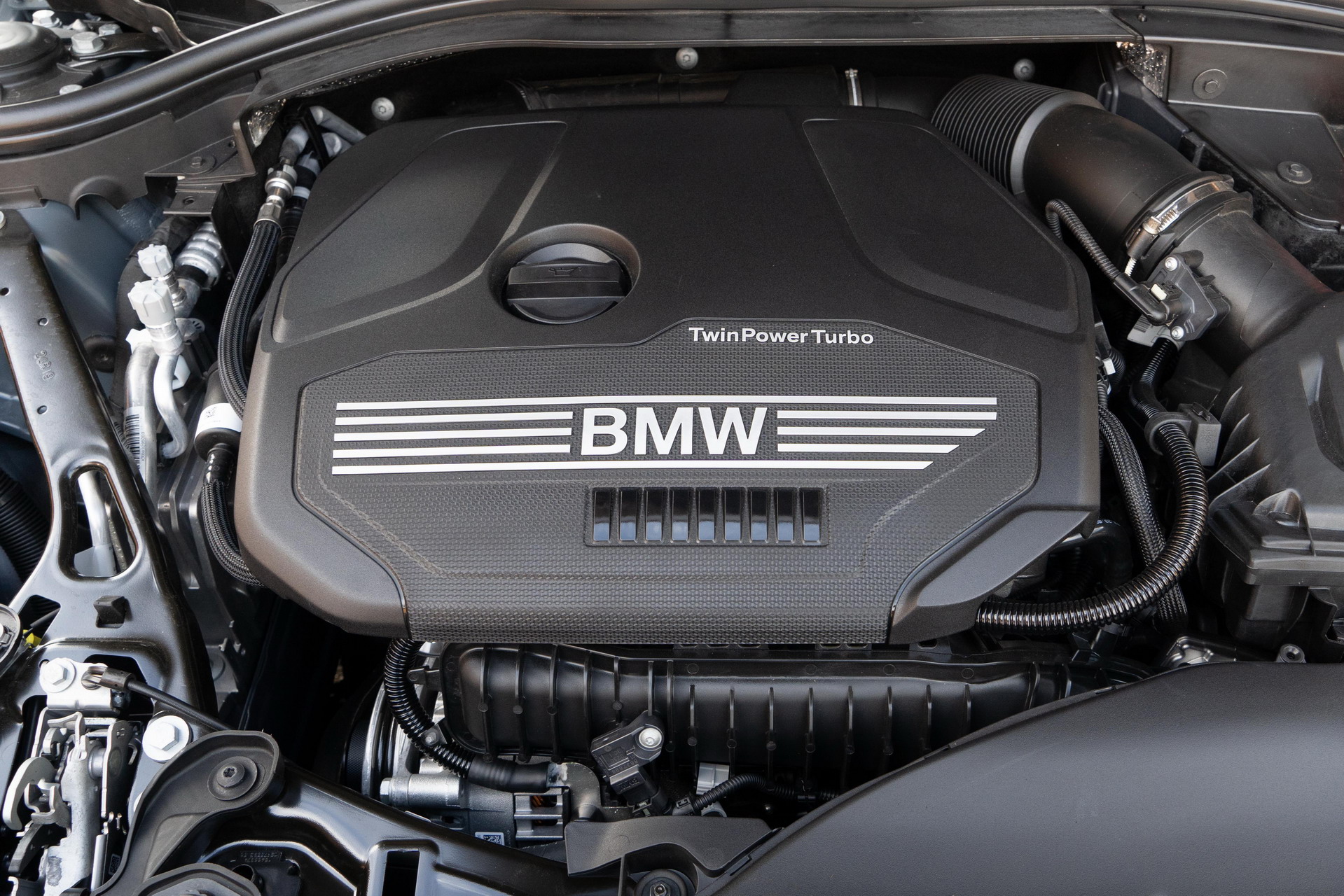
The B38 has appeared in a surprisingly broad vary of BMW and MINI fashions, in each standard petrol and hybrid functions. Output and tuning fluctuate by mannequin, however the underlying engine structure stays constant.
BMW fashions embody:
- BMW i8 (high-output hybrid software)
- BMW 1 Sequence (F20/F21 and F40): 116i, 118i
- BMW 2 Sequence (F22/F23 and F44): 218i Coupe, Convertible, Gran Coupé
- BMW 2 Sequence Energetic Tourer / Gran Tourer (F45/F46)
- BMW 3 Sequence (F30/F31 LCI): 318i
- BMW X1 (F48 and U11/U12): sDrive18i
- BMW X2 (F39 and U10): sDrive18i and hybrid variants
- BMW 225xe Energetic Tourer (plug-in hybrid)
MINI fashions embody:
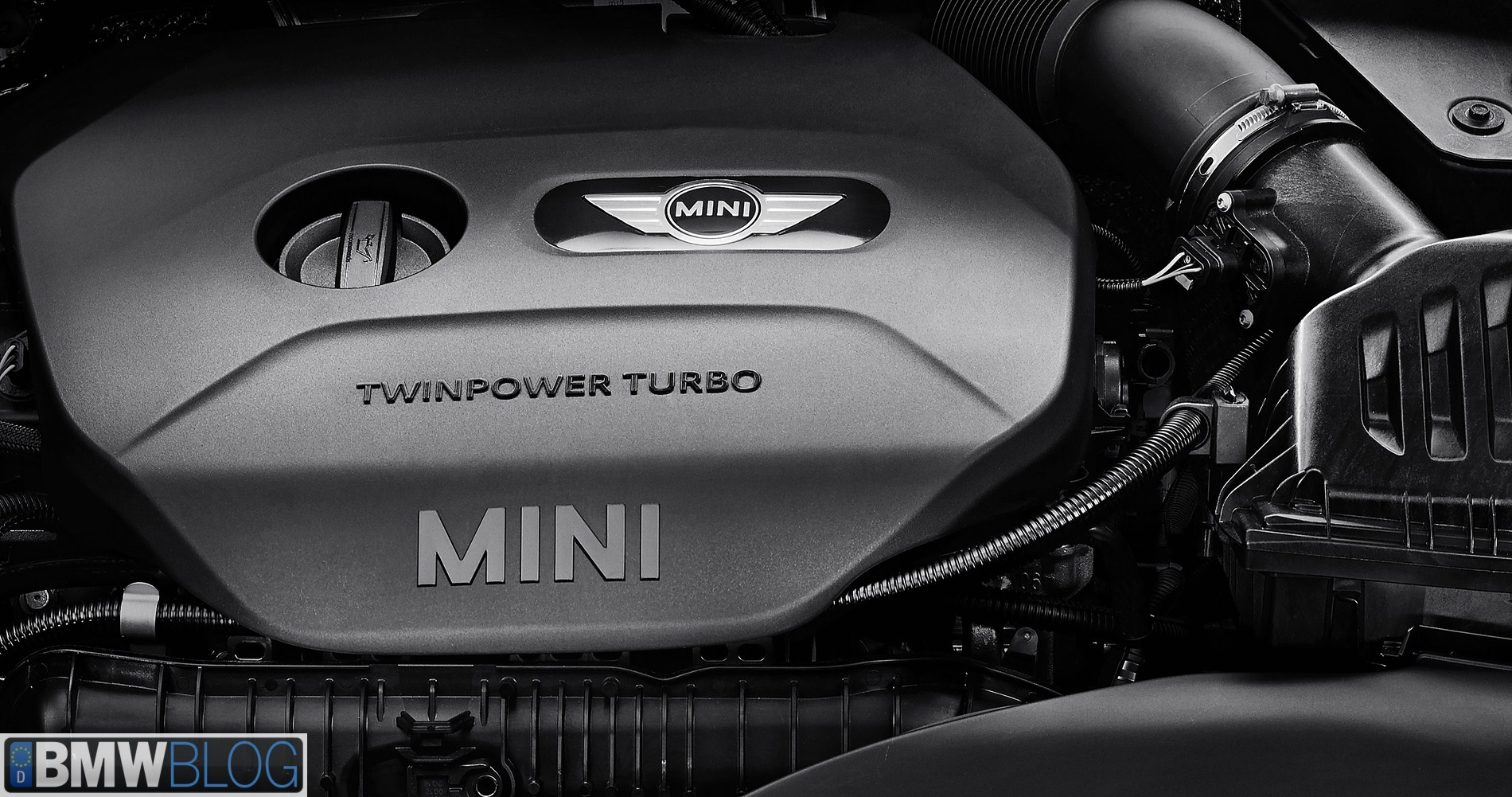
The B38 has additionally seen restricted use exterior BMW Group in range-extender and hybrid functions derived from earlier BMW know-how, additional underscoring its adaptability.
General Reliability Report
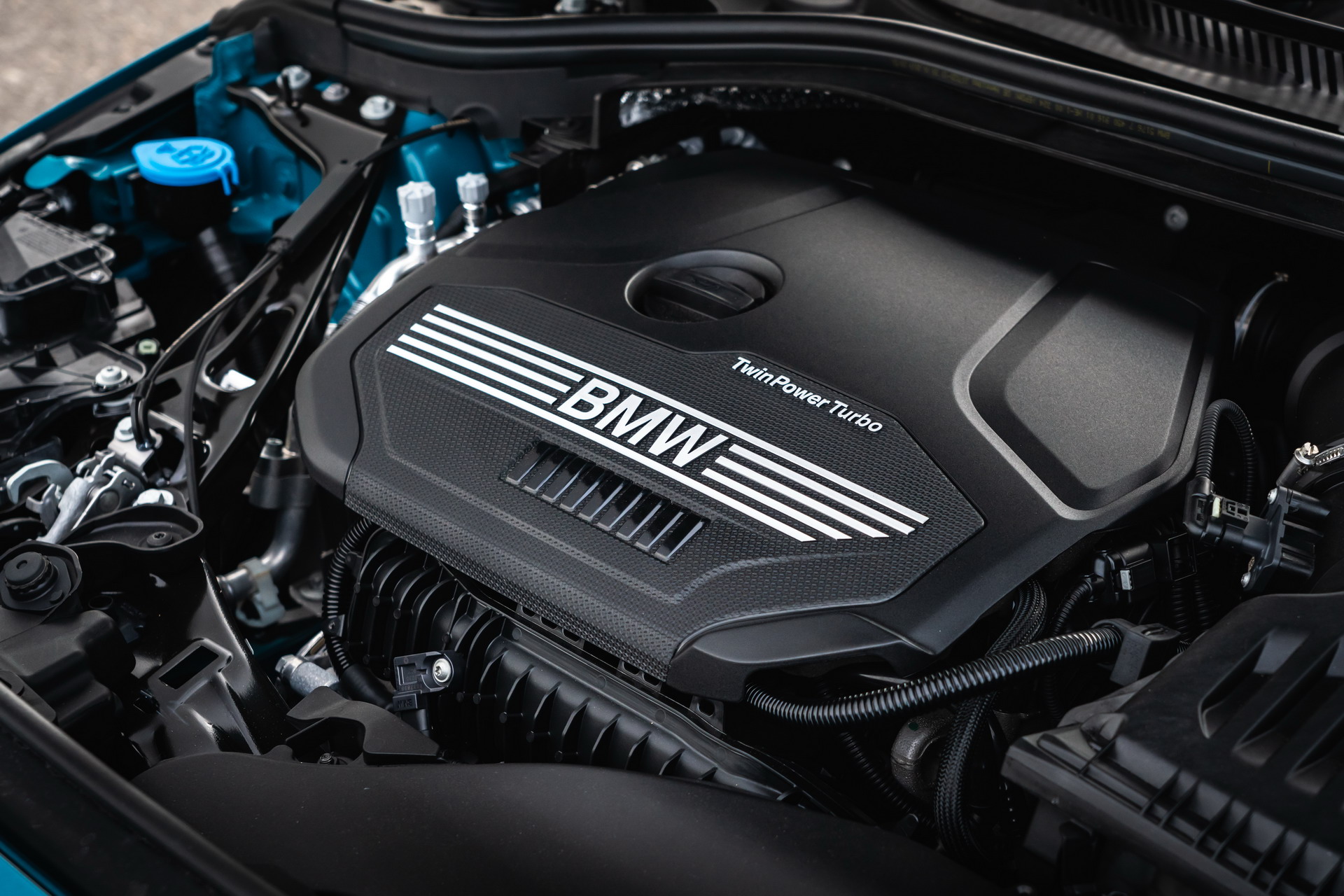
In on a regular basis use, the BMW B38 has confirmed to be a reliable engine when maintained correctly. Early considerations about three-cylinder refinement and longevity have largely pale as higher-mileage examples proceed to carry out with out main inside failures.
One of many B38’s benefits is its shared DNA with BMW’s bigger modular engines. Many parts, methods, and repair procedures are acquainted to technicians, which helps each long-term sturdiness and possession prices. There are not any widespread studies of bottom-end failures or structural weaknesses, and most points that do come up are typical of recent turbocharged, direct-injection engines moderately than B38-specific flaws.
Routine oil modifications, high quality gas, and a spotlight to the cooling system go a good distance towards protecting the engine wholesome over time.
Frequent Points to Watch
Like all fashionable BMW engine, the B38 does have just a few identified weak factors:
- Carbon buildup – Direct injection means consumption valve carbon deposits can develop over time, particularly in autos pushed primarily on quick journeys. Periodic consumption cleansing turns into extra vital at larger mileage.
- Cooling system put on – Electrical water pumps and thermostats are identified put on objects. Failure isn’t assured, however they’re parts homeowners ought to count on to switch finally.
- Turbo wastegate noise – Some engines exhibit wastegate rattle or gentle turbo noises at low RPM. That is often extra of an annoyance than a severe reliability problem.
- Ignition parts – Coil packs and spark plugs can fail prematurely, although that is frequent throughout many BMW engines and comparatively cheap to deal with.
None of those points are catastrophic, and with proactive upkeep, the B38 has proven itself able to lengthy service life.
Effectivity
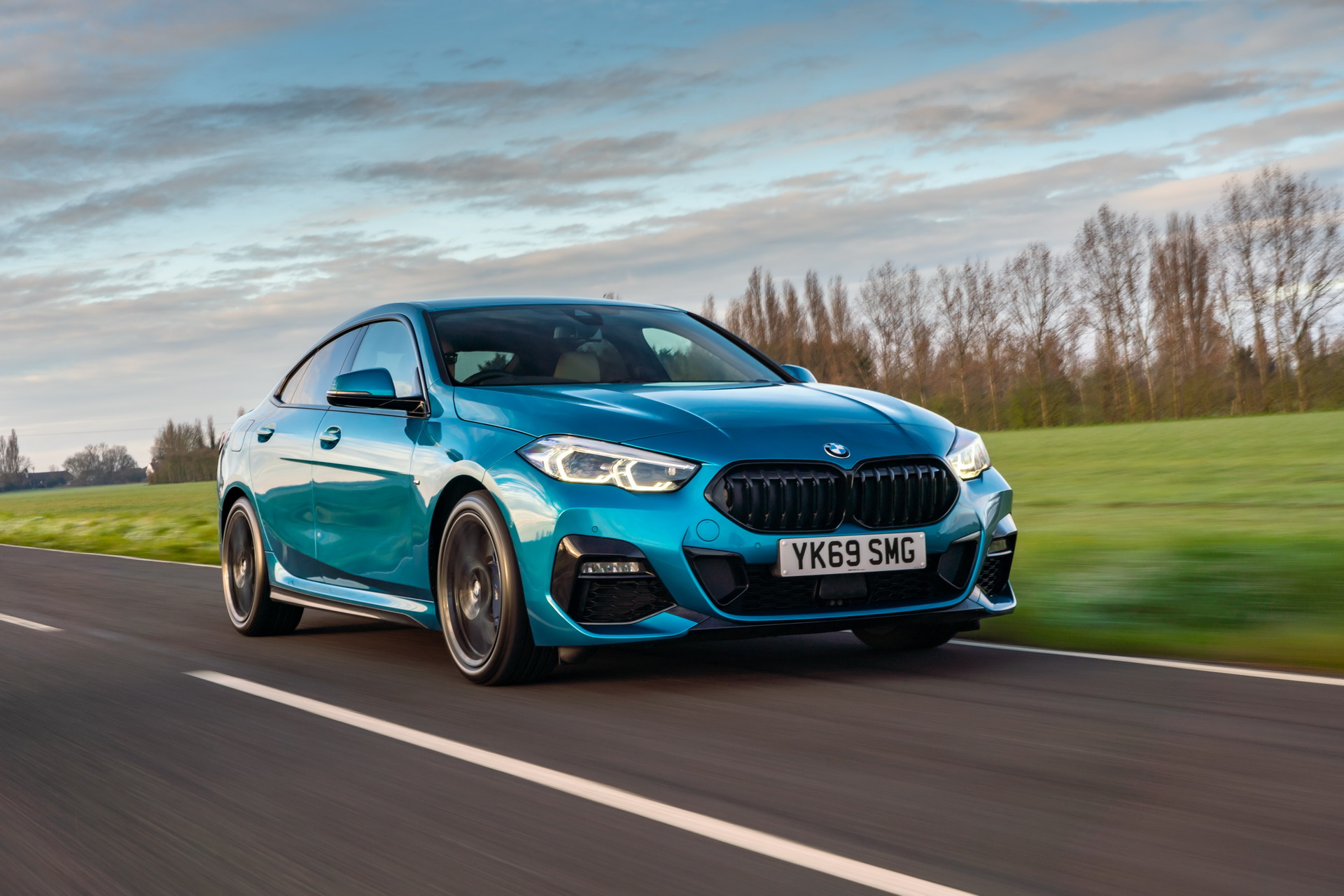
Effectivity is the place the B38 excels. Designed throughout BMW’s downsizing push, the engine prioritizes low gas consumption and decreased emissions with out feeling underpowered in every day driving. The mix of small displacement, turbocharging, direct injection, Valvetronic, and Double VANOS offers the B38 sturdy low-end torque and clean energy supply. In real-world use, it feels noticeably extra responsive than older naturally aspirated four-cylinders with comparable output.
Its compact dimension and low weight additionally profit general automobile dynamics, serving to enhance gas economic system whereas sustaining good stability and drivability. This efficiency-focused design is a part of why the B38 was chosen to be used within the BMW i8, the place thermal effectivity and packaging had been crucial.
Tuning & Efficiency Potential

A 1.5-liter three-cylinder isn’t an apparent tuning candidate, however the B38 affords extra headroom than anticipated. A conservative Stage 1 ECU tune can ship significant positive factors, usually pushing output from the inventory mid-130 horsepower vary into the mid-to-high-170s, relying on software. Torque positive factors are sometimes extra noticeable than peak horsepower, enhancing mid-range response and on a regular basis drivability.
Primary supporting modifications — corresponding to consumption enhancements or freer-flowing exhaust parts — can additional sharpen throttle response, although positive factors stay modest in comparison with BMW’s bigger engines.
Tuning Limits
The B38 does have clear boundaries. The inventory turbocharger, gas system, and cooling setup impose limits on secure energy will increase. Aggressive tuning with out supporting upgrades can rapidly compromise reliability. The engine’s complicated torque and knock administration methods additionally imply tuning ought to be dealt with rigorously. The B38 responds finest to smart, well-calibrated upgrades geared toward enhancing drivability moderately than chasing giant dyno numbers.
Ought to I Get a BMW With a B38 Engine?

The BMW B38 is best than its popularity suggests. It isn’t designed to excite lovers within the conventional BMW sense, however it succeeds at what it was constructed to do: ship sturdy real-world efficiency, glorious effectivity, and dependable every day operation throughout a variety of autos.
With correct upkeep, the B38 has confirmed sturdy, and for homeowners fascinated by gentle tuning, it affords worthwhile positive factors with out sacrificing longevity. It could by no means exchange a straight-six within the hearts of purists, however as a contemporary downsized BMW engine, the B38 is a succesful and well-engineered piece of {hardware}.
