



BMW Group CEO Oliver Zipse is sharpening his warning that Europe—and Germany particularly—is falling behind within the international race to industrialize hydrogen applied sciences. Talking on the Automobilwoche Kongress in November, he emphasised, in response to Automotive Information, that the most important investments in next-generation drivetrains are actually occurring in Asia and america, not in Europe. In his view, hydrogen has moved from a distinct segment experiment to a strategic expertise that different areas are scaling much more aggressively.
Zipse famous that whereas Europe has directed nearly all of its regulatory and political focus towards battery-electric automobiles, international locations similar to China, Japan, Korea, and the U.S. (particularly California) are constructing long-term methods that deal with hydrogen as a severe pillar of future mobility.
BMW Stays One among Europe’s Final Hydrogen Holdouts

Amongst European automakers, BMW stands out nearly alone in persevering with to develop hydrogen gasoline cell passenger automobiles. The corporate has a long time of expertise within the area, beginning with hydrogen combustion experiments within the early 2000s and evolving into trendy gasoline cell techniques that function very like battery-electric automobiles, however with electrical energy generated onboard.
Not like combustion prototypes of previous a long time, immediately’s gasoline cell structure is constructed round electrical motors and shares a lot of its {hardware} with BMW’s BEVs. The distinction is how power is saved and generated. That is the place BMW sees worth: quick refueling, constant efficiency in very chilly or extremely popular climates, and lighter onboard power storage for long-distance driving.
iX5 Hydrogen to Enter Manufacturing in 2028

The clearest instance of BMW’s continued dedication is the iX5 Hydrogen. After a number of years of worldwide testing and a devoted pilot fleet, BMW will transfer the car into sequence manufacturing in 2028. Volumes will stay comparatively low, however this marks the primary time BMW will construct a hydrogen-powered mannequin as a part of its common manufacturing roadmap, not simply as a expertise showcase.
The gasoline cell stack is produced in Germany, the hydrogen tanks retailer fuel at very excessive strain, and a compact battery buffer provides brief bursts of energy throughout arduous acceleration. Your complete system was engineered to combine into the present X5 platform with minimal structural modifications. That compatibility is a key a part of BMW’s perception that future platforms want to stay versatile slightly than locked to a single propulsion kind.
Public Funding Helps, however Not Sufficient to Catch Up
BMW’s gasoline cell improvement is supported by €273 million in public funding from the German federal authorities and the state of Bavaria by way of the EU’s IPCEI Hydrogen initiative. The funding is meant to help industrialization of a scalable gasoline cell powertrain for passenger automobiles.
Even with this help, Zipse argued that Germany will not be advancing quick sufficient in contrast with areas that deal with hydrogen as an industrial precedence. He warned that if Europe continues to depend on a slender interpretation of future mobility, the continent dangers shedding affect over a complete expertise sector.
Skepticism Stays Robust
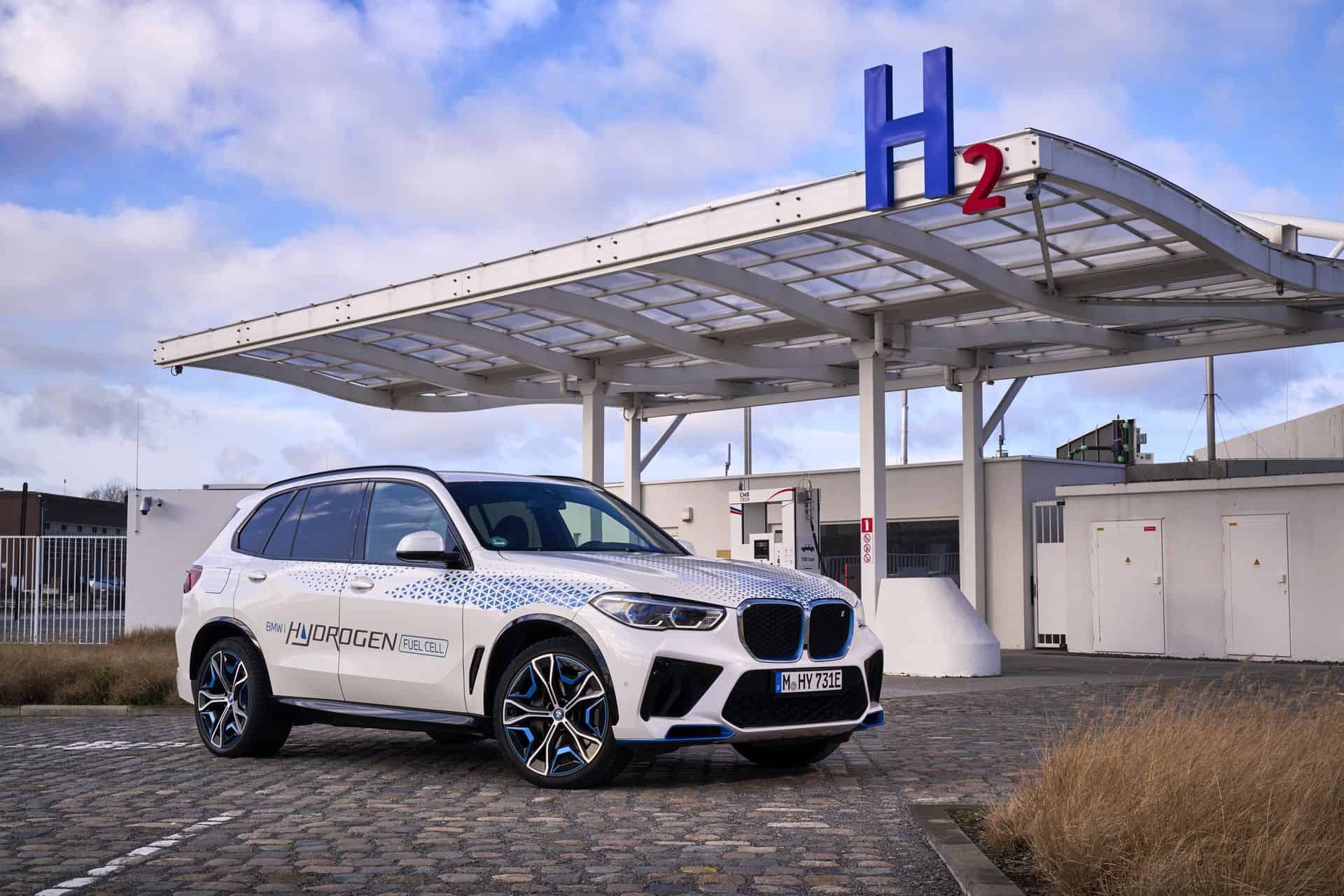
Many analysts stay unconvinced that hydrogen has a significant future in passenger vehicles. Critics argue that gasoline cell automobiles are nonetheless costly to supply, lack infrastructure, and path far behind BEVs in maturity. Some additionally say the effectivity losses in hydrogen manufacturing and distribution make it tough for the expertise to compete on value.
These views mirror the broader coverage atmosphere BMW finds itself in: Europe has largely aligned itself behind battery-electric mobility and expects BEVs to dominate new automobile gross sales from the mid-2030s onward.
Zipse Pushes Again on EU’s Regulatory Route

Zipse has turn out to be one of many business’s strongest voices criticizing the EU’s “tailpipe-only” regulatory framework. He argues that the present guidelines ignore the broader decarbonization work automakers are already doing, from low-carbon metal sourcing to renewable-powered factories and cleaner provide chains. In his view, rules ought to account for a car’s total lifecycle emissions, not simply what comes out of the exhaust.
BMW’s place is that counting on a single expertise will increase threat and reduces Europe’s industrial resilience. Zipse stated the corporate’s versatile platform technique—making it potential to construct BEVs, hybrids, combustion engines, and hydrogen gasoline cell fashions on the identical primary construction—is crucial to serving international markets with completely different infrastructure realities and power constraints.
The place BMW Sees Hydrogen Enjoying a Position
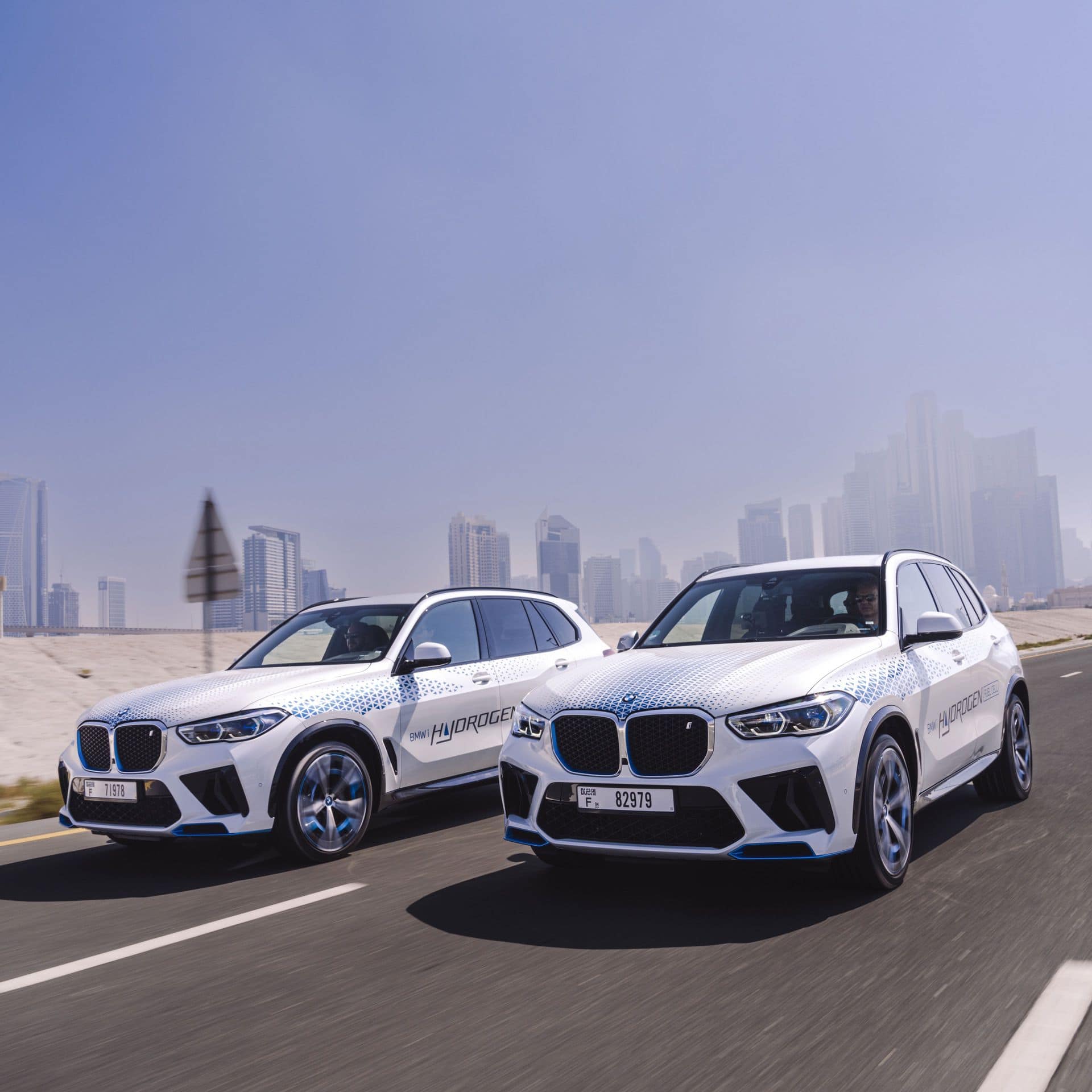
Hydrogen gasoline cell automobiles are usually not supposed to switch BEVs, however BMW sees them as a sensible different in particular eventualities. These embrace markets with out dependable fast-charging networks, areas with restricted electrical grid capability, and use instances the place vary consistency and fast refueling matter, similar to long-distance driving or heavy hundreds. BMW believes hydrogen may additionally enchantment to clients who can’t simply undertake a pure battery-electric way of life.
BMW’s hydrogen program continues to be low-volume, however the transfer to sequence manufacturing of the iX5 Hydrogen marks a significant shift for the corporate. Zipse stated curiosity from worldwide companions continues to develop and expects hydrogen to play a bigger position in BMW’s portfolio later within the decade, assuming Europe retains tempo on infrastructure, funding, and regulatory flexibility.
His message was direct: if Europe decides to not develop hydrogen, different areas will gladly take the lead.
