



BMW’s sluggish however inevitable transition towards the North American Charging Commonplace (NACS) is choosing up velocity in america. We already realized the 2026 BMW i5 M60 could be BMW’s first U.S. mannequin to ship with a local NACS port, however some sources state that the Life Cycle Impulse variations of the BMW i7 and BMW i5 will even undertake the port once they arrive in America. For homeowners, this isn’t only a beauty {hardware} change. It basically alters the place the automobiles can cost and the way usable they grow to be on lengthy journeys.
The brief model is straightforward sufficient: NACS means entry to Tesla’s Supercharger community. And for anybody who has frolicked bouncing between third-party CCS quick chargers in america, the advantages are apparent. BMW quietly acknowledged as a lot when it rolled out Supercharger integration through adapters earlier this month, giving present BMW EVs entry to greater than 25,000 Superchargers throughout 2,000 stations. That system will proceed for older automobiles, however the brand new port removes a layer of complexity and brings BMW absolutely into the North American charging mainstream.

The facelifted i7 and i5 is rumored to observe the identical playbook because the i5 M60: a bodily NACS inlet changing the normal CCS combo socket. Subsequently, we additionally anticipate the identical software program integration within the My BMW app and the automobile’s native charging interface. It means plug in, stroll away, and let the automotive deal with authentication and billing via Plug & Cost.
There’s additionally a broader product technique right here. BMW has already confirmed that every one Neue Klasse fashions for North America, together with the upcoming iX3, will likely be NACS-native. These automobiles have been engineered with a clean-sheet electrical structure and appear destined to reside totally inside a NACS-first ecosystem. By giving the up to date i5 and i7 the identical port, BMW avoids the awkward two-standard limbo for brand new automobiles.
NACS vs CCS
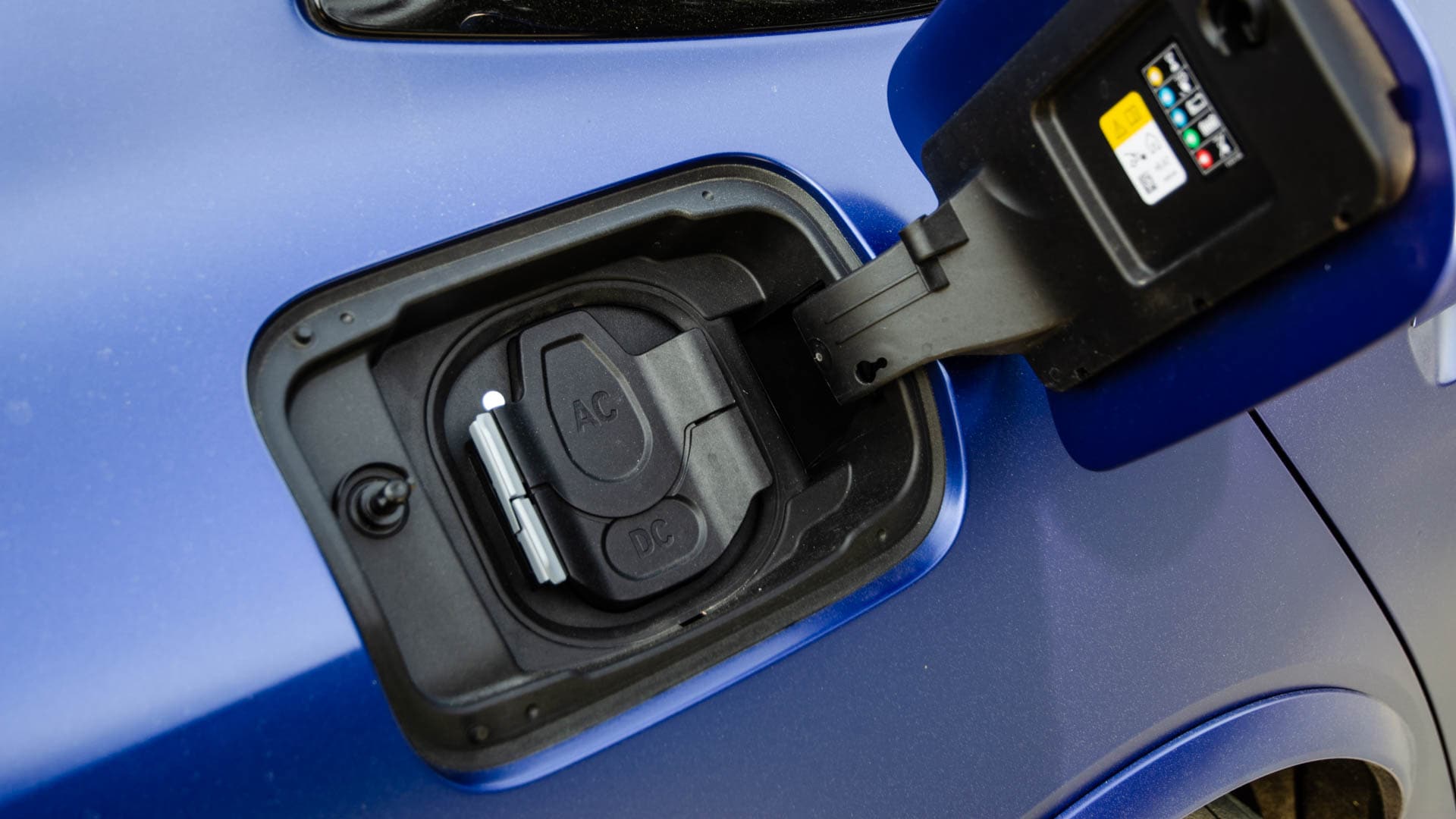
The technical variations between NACS and CCS assist clarify why the business is sliding towards the Tesla-developed connector. NACS is bodily smaller, lighter, and simpler to deal with, particularly in chilly climate when CCS plugs can really feel like frozen backyard hoses. It additionally integrates AC and DC charging right into a single compact type issue slightly than the outsized dual-section CCS inlet. Regardless of the smaller dimension, NACS helps the excessive energy ranges trendy EVs anticipate. Tesla’s personal V3 and upcoming V4 Superchargers routinely ship charging speeds that match comfortably inside the window most BMW EVs can settle for, and the communication protocol is absolutely suitable with ISO 15118-functionality like Plug & Cost.
CCS nonetheless has theoretical benefits on paper. Some CCS stations promote peak outputs above 300 kW, and the open commonplace nature of CCS means a number of charging networks can innovate independently. However the actuality on American roads is much less glamorous. Tesla’s community stays denser, extra dependable, and extra predictable, notably for cross-country journey. Entry sells automobiles. BMW is aware of this, and the LCI updates merely align the {hardware} with real-world utilization patterns.
